
Photo by Tranmautritam from Pexels
UX design is one of the fastest-growing career paths in tech and beyond, but the field moves so quickly that most resume templates haven't caught up. If you're applying for a UX design role, a standard resume won't cut it. Hiring managers expect to see specific proof of your design thinking, portfolio work, and technical fluency, not just a bulleted list of past job titles. The trick is knowing exactly what to emphasize, how to quantify design impact, and which tools and methodologies matter most right now.
TL;DR
- UX design roles demand a resume that showcases portfolio work, design tools proficiency, and measurable impact on user outcomes.
- Tailor your resume by replacing generic responsibilities with specific design contributions: research conducted, wireframes created, design systems built, and metrics improved.
- Lead with your strongest portfolio piece and highlight emerging skills like accessibility, prototyping, and cross-functional collaboration.
- Use industry terminology and keywords aligned with the job description to pass ATS screening and catch human eyes.
- Structure your experience to tell a story of user-centered thinking, not just technical execution.
UX design is no longer a niche field where a generic resume works. It's become a mainstream career path, but because it's still relatively young as a formal discipline, the rules for what makes a strong resume keep evolving. Employers in this space are looking for evidence of user research, prototyping skills, design iteration, and real business impact. They want to see your portfolio, understand your design process, and know which tools you've actually used. A resume that just lists "Designed user interfaces" won't compete against candidates who can say "Reduced checkout abandonment by 23% through iterative user testing and redesign of the payment flow."
The challenge is deeper than just better wording. Emerging roles like UX design often attract people from different backgrounds: graphic designers, software engineers, product managers, even career changers from unrelated fields. Each path brings different strengths, and a tailored resume helps you translate those strengths into the language UX hiring managers expect.
What are emerging roles and why do they matter?
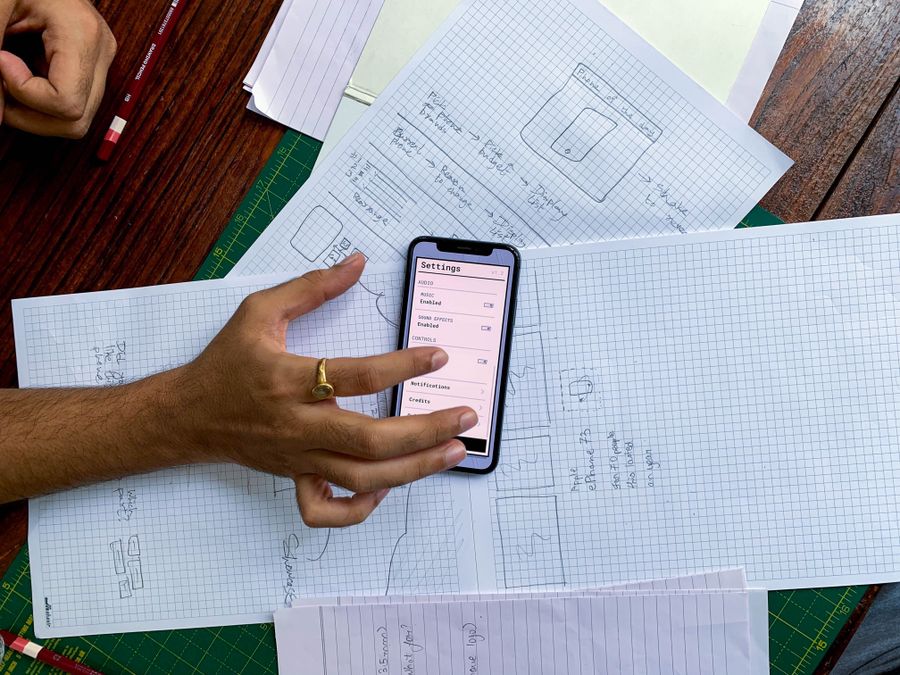
Emerging roles are positions that didn't exist ten years ago or have evolved so fast that industry standards haven't fully solidified. UX design is a textbook example. Ten years ago, most companies didn't have dedicated UX designers. Today, every serious tech company, many financial services firms, healthcare organizations, and even government agencies have UX teams. The role itself keeps expanding: UX researcher, product designer, interaction designer, UX architect, design systems engineer, and more.
The reason this matters for your resume is that hiring managers are still figuring out what they actually need. Some want someone who can do pure user research. Others want a designer who can code prototypes. Still others want someone who understands accessibility, or design systems, or AI-driven experiences. Unlike software engineer or project manager roles, where the job description is relatively stable across companies, UX design descriptions vary wildly.
This volatility means opportunity. If you tailor your resume to the specific job posting, you can position yourself as exactly what they need. A designer who leads with "Designed wireframes in Figma" won't stand out. One who says "Built a design system in Figma that standardized 40+ components across three product teams, reducing design QA time by 15 hours per sprint" will.
Key skills and experiences for UX design
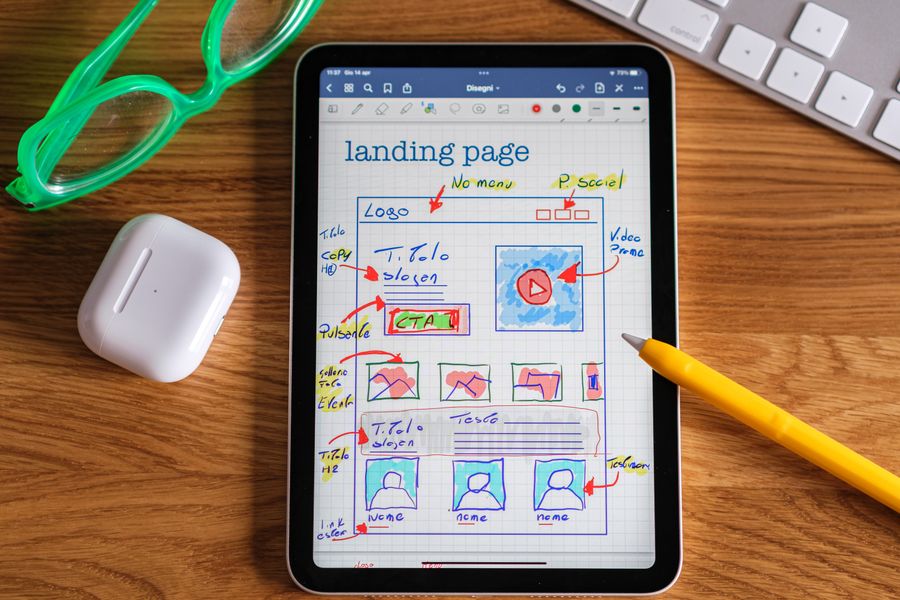
Not all skills weigh equally in UX design hiring. Employers care most about proven ability to solve user problems and deliver measurable results. Here are the key areas to emphasize:
User research and testing. This is the foundation of UX design work. If you've conducted user interviews, run usability tests, analyzed user feedback, or synthesized research into actionable insights, lead with that. Mention the method (moderated user testing, unmoderated sessions, A/B testing, analytics analysis) and the outcome.
Design and prototyping tools. Figma dominates right now, but Sketch, Adobe XD, Framer, and Webflow matter depending on the company. List tools you've actually used and can explain in depth. Don't pad your tools list.
Design thinking and process. Employers want to know you don't just make things look pretty. They want evidence that you understand user-centered design, can work through ambiguous problems, and can explain your decisions. Mention frameworks you've used: design sprints, jobs-to-be-done, empathy mapping, user journey mapping.
Collaboration and communication. UX design is rarely solo work. You'll be working with product managers, engineers, stakeholders, and other designers. Highlight cross-functional projects, how you handled disagreements, and how you communicated design rationale.
Accessibility and inclusive design. This is increasingly non-negotiable. If you've worked with WCAG standards, designed for people with disabilities, or audited products for accessibility, that's a major differentiator.
Design systems and scale. Building or contributing to a design system shows you think beyond single features and understand how design work scales across a team.
Metrics and impact. Whenever possible, quantify your impact: improved conversion rates, faster task completion times, reduced error rates, increased user satisfaction scores.
How to tailor resumes for UX design roles

Tailoring isn't just about changing a few words. It's about reorganizing your resume to match the specific job and showing that you understand what that role actually requires.
Step 1: Read the job description like a researcher. Pull out the specific skills, tools, and outcomes they mention. If they emphasize accessibility, make accessibility projects prominent in your experience. If they mention design systems, move design system work to the top. Look for verbs they use, "led," "shipped," "collaborated", and mirror that language.
Step 2: Rewrite your experience bullets using the STAR framework for design. STAR stands for Situation, Task, Action, Result. Don't write "Designed mobile app." Write: "Led redesign of checkout flow on mobile app after user research showed 40% of users abandoned at payment step; prototyped three alternative flows in Figma; conducted moderated usability tests; final design reduced abandonment to 28% and increased conversion by 12%."
Step 3: Lead with your strongest, most relevant project. If you're applying to a company focused on e-commerce, put your e-commerce work first. If they care about accessibility, lead with your accessible design project.
Step 4: Include a portfolio link and be specific about what's there. Don't just say "Portfolio at mysite.com." Say "Portfolio at mysite.com (Figma design system, mobile app case study, accessibility audit report)." Make it easy for them to see the work you're highlighting.
Step 5: Use keywords from the job posting, but only if they're honest. If they mention "design thinking," "user research," "Figma," "cross-functional collaboration," and you have experience with these, use them. If they mention "AR design" and you've never done it, skip it. ATS systems scan for keywords, but hiring managers will spot BS.
Examples of effective UX design resumes
What does a strong UX design resume actually look like? Here are the patterns that work:
The portfolio-first designer. This person leads with a portfolio link, then structures their experience around 3-4 major design projects, each with a clear problem, process, and outcome. Each bullet includes the tools used and metrics improved.
The research-driven designer. This person emphasizes user research methodology, leading with projects that started with discovery, moved through testing, and shipped with user validation. They mention specific research methods (in-depth interviews, diary studies, A/B testing) and how findings informed design.
The systems thinker. This person highlights work building or maintaining design systems, design tokens, component libraries, and documentation. They show how their work scaled design across teams and reduced friction.
The career-changer translator. If you're coming from graphic design, marketing, or engineering, a good resume shows how your past skills translate to UX thinking. A graphic designer might emphasize visual hierarchy and information design. An engineer might lead with prototyping and technical collaboration.
"John DoeSenior UX Designer[email protected] | 123-456-7890 | San Francisco, CA.">, 10 UX Designer Resume Examples for 2026
Understanding industry trends and expectations
UX design hiring is shifting in real time. Here's what's changing:
From portfolio screenshots to real case studies. Employers used to scan portfolios for visual appeal. Now they want detailed case studies that explain your process, show your thinking, and prove impact. Your resume needs to hint at that depth.
From tool proficiency to tool agnosticism. Ten years ago, knowing Photoshop was huge. Today, employers care less about which tool you use and more about how you think. That said, Figma is the industry standard right now. If you don't know it, that's a gap.
From individual contributor to collaboration. UX design jobs increasingly require working closely with product, engineering, research, and marketing. Highlight cross-functional work, how you built consensus, and how you handled disagreement.
From desktop to multimodal. Mobile is table stakes. Now employers care about voice, AR, watchOS, and other interfaces. If you've designed for these platforms, highlight it. If not, at least mention your thinking about responsive and multimodal design.
From "make it pretty" to "measure impact." The days of hiring designers just to make pixels look good are gone. Companies want designers who understand metrics, can work with analytics, and can articulate the business case for design decisions.
Templates and tips for crafting a UX design resume
Your UX Design Resume Structure
Header
Name, phone, email, location, portfolio link (with brief note what's inside)
Professional Summary
2-3 sentences: your design focus, years of experience, key tools, and biggest impact (e.g., "Product designer specializing in mobile experiences. 5 years shipping user-centered products. Expert in Figma, user research, and design systems. Led redesign that increased conversion by 18%.")
Featured Projects
2-3 bullets per project: problem, approach, outcome, tools used, metrics
Experience
Job title, company, dates, then 4-6 outcome-focused bullets per role
Skills & Tools
Design: Figma, Sketch, Adobe XD | Research: User interviews, usability testing, A/B testing | Other: Design systems, accessibility (WCAG), prototyping
The template above shows how to structure a resume that passes both ATS screening and human review. The key is making it easy for a hiring manager to see what you've done and why it matters.
Here are actionable tips:
- Keep it to one page if you have less than 5 years of UX experience; two pages if you have more.
- Use a clean, readable font. Arial, Helvetica, or system fonts work. Avoid decorative fonts that don't render well in ATS systems.
- Save and submit as PDF to preserve formatting.
- Mirror the job description language where it fits naturally. If they say "lead design sprints," and you have, say it. If they say "accessibility," mention WCAG compliance or accessible component design.
- Quantify everything possible: percentage improvements, time saved, number of users affected, number of team members collaborated with.
- Include dates for all work and education. ATS systems look for these.
- Link directly to your portfolio. Make sure the portfolio is mobile-friendly, loads quickly, and clearly shows your process, not just the end result.
Practical Checklist for Your UX Design Resume
Your progress is saved automatically in your browser.
FAQ
Frequently Asked Questions
The gap between a generic resume and a tailored one is the difference between getting lost in the ATS and landing the interview. UX design hiring managers can tell in seconds whether you understand what they're looking for. Are you talking about design impact in their language, or are you recycling a template? The best resumes make it obvious, you've read the job posting, you know the problem they're trying to solve, and you're showing exactly why you're the right fit.
Additional Resources
- 10 UX Designer Resume Examples for 2026 - This guide will walk you through how to write an effective UX designer resume, including essential skills and templates you can use as examples.
- Effective Resumes for UX Career Changers - Generate more UX-job opportunities with a resume that effectively communicates to UX hiring managers how you are making a career change into ...
- UX Resumes Reviewed: Know What You Want - UX Resume Review and Tips (as a UX Hiring Manager) ... 15 tips to design your resume as a UI/UX/Product Designer + Figma Templates.
