

Operations roles demand more than just listing responsibilities. Employers in this field hunt for candidates who can prove they've optimized processes, cut costs, and coordinated teams across departments. Your resume needs to show impact through quantifiable results, not just job duties. Most operations resumes look identical to hiring managers, which means standing out requires you to showcase the specific elements that prove you've solved real problems in this competitive space.
TL;DR
- Quantify efficiency gains, cost reductions, and process improvements with specific percentages and dollar amounts
- Highlight cross-functional collaboration and soft skills that show you work well with multiple departments
- Use industry-specific keywords like process optimization, supply chain, inventory management, and project management to beat the ATS
- Include metrics on team management, automation, and time-saving initiatives
- Tailor each resume to the job description to match the employer's exact operational priorities
Operations isn't a niche field anymore. Companies across every industry need people who can streamline workflows, reduce waste, and keep teams aligned. But that demand also means competition is fierce. Hundreds of candidates are applying for the same operations coordinator or operations manager roles, and most of them have similar backgrounds. The difference between getting an interview and getting lost in the pile often comes down to how you present your achievements on your resume.
The secret isn't working harder on your resume, it's working smarter. Operations hiring managers aren't looking for flowery language or generic accomplishments. They're looking for evidence that you've taken action to improve how things work. They want to see numbers that prove you understand efficiency, risk mitigation, and the bottom line.
Why Operations Roles Are Competitive

Operations is one of the few fields where almost every sector, retail, healthcare, tech, manufacturing, logistics, needs the same core skills. That universality is both a strength and a weakness for job seekers. It's a strength because operations experience is portable across industries. It's a weakness because your resume competes against people from every background imaginable.
Hiring managers in operations look for specific traits. They want to see that you've managed complexity, coordinated teams, solved problems under pressure, and delivered measurable results. The resumes that stand out do one thing consistently: they tie every accomplishment back to a business outcome. Not "managed inventory," but "reduced inventory holding costs by 22% through ABC analysis." Not "coordinated with vendors," but "negotiated improved SLAs with three key suppliers, reducing lead times by an average of 8 days."
Essential Skills for Operations Resumes
Process optimization, project management, and data analysis are table stakes. But hiring managers need to see that you've actually applied these skills to real situations. Here's what matters:
Process Optimization and Lean Methodologies, This is the bread and butter of operations roles. Employers want evidence that you understand how to map, analyze, and improve workflows. Mention specific methodologies you've used: Lean, Six Sigma, Kaizen, or value stream mapping. Don't just list them; show what you achieved with them.
Supply Chain and Inventory Management, If the role involves logistics, procurement, or stock management, this becomes critical. Highlight experience with inventory systems, vendor management, order forecasting, or warehouse operations. Numbers matter here: "Reduced SKU count by 18% while maintaining service levels" beats "managed inventory."
Project Management, Operations roles often require juggling multiple concurrent initiatives. Show you can organize, timeline, and deliver. Mention tools you've used (Asana, Monday.com, Jira, or even spreadsheet-based systems) and the scale of projects you've managed.
Data Analysis and Reporting, Modern operations relies on metrics. Highlight experience with dashboards, KPI tracking, and trend analysis. Excel, Tableau, Power BI, or SQL skills are valuable here.
Cross-Functional Collaboration, Operations sits at the intersection of every department. Your resume should prove you can work with finance, HR, supply chain, customer service, and executive leadership.
How to Showcase Efficiency and Cost Reduction Achievements
This is where operations resumes win or lose. Hiring managers skip resumes that list responsibilities and stop on resumes that prove impact. Here's how to present your achievements:
Start with the outcome, not the action. "Implemented new scheduling software" is passive and unproven. "Reduced scheduling errors by 34% and cut overtime hours by 12% by implementing new scheduling software" shows you understand what success looks like. Include the tool if it's relevant, but lead with the result.
Use a formula: Action + Methodology + Metric + Impact. Example: "Redesigned the order fulfillment process using Lean principles, reducing pick-to-ship time from 8 hours to 5.5 hours and improving on-time delivery from 87% to 94%."
Cost reduction is music to an operations manager's ears. If you've cut expenses, saved time, or reduced waste, put it in dollar terms or percentage terms, whichever is more impressive. "Saved $240,000 annually" is better than "reduced costs." If you don't know the exact number, ask your former manager or calculate it based on average hourly rates and time saved.
Efficiency gains matter too, but pair them with business impact. "Reduced report generation time from 6 hours to 45 minutes per week" is good. "Reduced report generation time from 6 hours to 45 minutes per week, freeing up 30 hours annually for strategic planning" is better because it shows you understand opportunity cost.
Cross-Functional Collaboration and Teamwork

Operations doesn't happen in a vacuum. You need people from other departments to execute plans, and hiring managers know this. Your resume should prove you can work across silos.
Show how you've coordinated with multiple teams. "Collaborated with finance, warehouse, and customer service teams to implement new returns process" is fine. Better: "Led cross-functional task force with representatives from finance, warehouse, and customer service to redesign returns process, reducing processing time by 40% and decreasing customer complaints by 28%."
Highlight your soft skills when they directly supported a project or outcome. Communication, negotiation, and leadership matter in operations because they enable you to influence people who don't report to you. Example: "Negotiated with three suppliers to align delivery schedules, reducing warehouse congestion and cutting inventory carrying costs by $85,000 annually."
If you've trained or mentored team members, mention it with scope: "Trained 8 warehouse associates on new inventory management system, achieving 95% accuracy on first audit." If you've led a team, show how the team performed under your leadership: "Managed team of 12 associates through facility relocation, maintaining 99% order accuracy and zero lost-time accidents throughout project."
What Operations Managers Look For in Standout Resumes

Operations managers have seen thousands of resumes. They scan quickly and decide in seconds whether you're worth a closer look. Here's what makes them stop:
Clear metrics in every role section, Managers skip resumes where bullets describe duties instead of proving impact. Every bullet should answer: "So what? What changed because of this person?"
Evidence of continuous improvement mindset, Operations is about evolution. Show that you've identified problems and fixed them, even small ones. "Noticed shipping label printing errors occurring 3% of the time and implemented barcode verification checkpoint, reducing errors to 0.2%" demonstrates the mindset.
Relevant certifications and training, Six Sigma Black Belt, APICS CSCP, Lean certification, or even relevant online courses add credibility. Include them if you have them.
Industry-specific terminology used correctly, Use the language of the operations world: cycle time, throughput, bottleneck, variance, KPI, SLA, ERP, MRP, demand forecasting. Managers notice when you speak their language.
Accomplishments that align with company pain points, Research the target company's operations before tailoring. If they're in e-commerce, emphasize fulfillment and returns. If they're in healthcare, emphasize scheduling and resource optimization. If they're in manufacturing, emphasize production efficiency.
"Process Optimization: Analyzed manufacturing processes using Lean methodologies.">, 20 Operations Manager Resume Examples for 2026
Building Your Standout Operations Resume
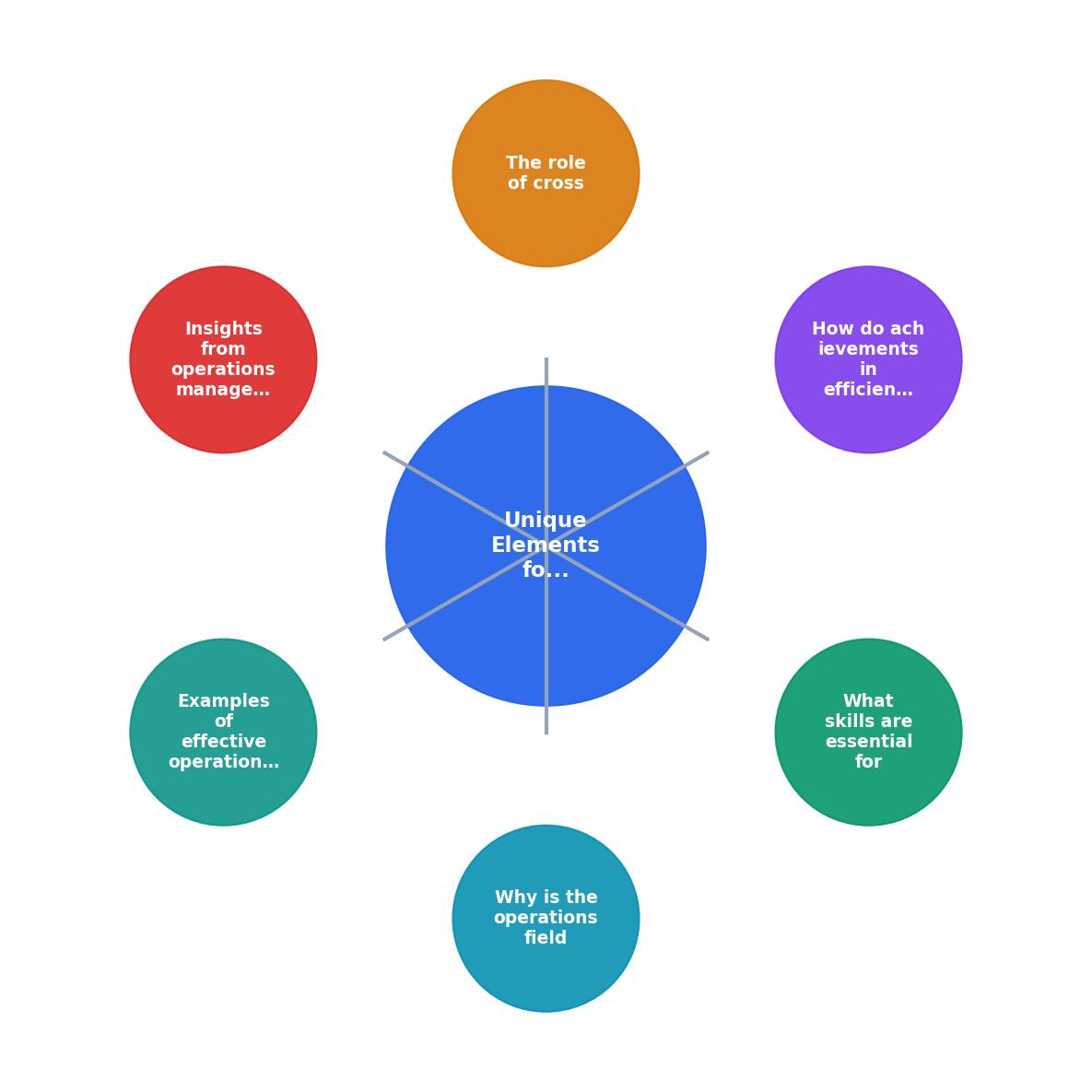
Your operations resume needs four distinct components working together. First, your header and summary must signal that you're an operations professional, include relevant job titles and keywords early. Second, your experience section should follow the formula: impact-first bullets with quantified results. Third, a skills section should list the operational tools, software, and methodologies relevant to your target role. Fourth, your education and certifications anchor credibility.
The experience section is where most resumes go wrong. Hiring managers want to see that you've solved operational problems. Each bullet should be scannable, specific, and results-oriented. Start with a verb that shows action: optimized, reduced, increased, implemented, streamlined, coordinated, managed. Follow with the problem or action, the methodology if relevant, and the quantified result.
Weak: "Responsible for inventory management and warehouse operations."
Strong: "Optimized inventory turnover rate from 4.2x to 6.8x annually through implementation of ABC analysis and automated reorder points, freeing $180,000 in working capital."
Skills sections in operations resumes often get overlooked, but they're crucial for ATS (Applicant Tracking System) scanning. Include technical skills (software, tools, systems you've used), methodology skills (Lean, Six Sigma, Agile), and domain skills (supply chain, procurement, logistics). Be honest, only list skills you can explain in an interview. Hiring managers often ask about them, and faking competence gets caught quickly.
Interactive Operations Resume Scorecard
Here's an interactive tool to help you evaluate whether your operations resume hits all the critical elements employers need. This represents a typical operations role that combines process management, team leadership, and cost control, common themes across the field.
Operations Resume Essentials
Score yourself on each element above. If you're missing any, that's your next editing target. This checklist is your quality gate before sending your resume to any employer.
Operations Resume Checklist
Use this checklist to audit your operations resume before submitting it to any role. Each item directly influences whether hiring managers move you forward.
Operations Resume Quality Checklist
Your progress is saved automatically in your browser.
Tailoring Your Resume for the Target Role
Generic operations resumes don't work anymore. Hiring managers and ATS systems both reward resumes that match the job description. Before you send your resume anywhere, spend 10 minutes tailoring it to that specific role.
Read the job description and highlight the skills, tools, and outcomes that appear most frequently. Reorder your bullets in your experience section to emphasize those areas first. If the job mentions "process improvement," make sure your first bullet under each role showcases a process improvement achievement. If it mentions "supply chain," prioritize supply chain accomplishments.
Customize your skills section to match the tools and methodologies mentioned in the job posting. If they ask for SAP experience and you have it, put it front and center. If they mention Six Sigma and you're certified, include your certification level.
Tailoring doesn't mean lying, it means strategically presenting your actual experience in the way that matters most to that employer. It typically takes 15-20 minutes per application, but it doubles your chances of getting past the initial screening.
FAQ
Frequently Asked Questions
Additional Resources
- 20 Operations Manager Resume Examples for 2026 - Real examples and templates of Operations Manager resumes, updated for your 2026 job search. Download them for free, plus learn how to update your resume ...
- 9 Resume Elements for Business Operations Managers - 9 Resume Elements for Business Operations Managers · 1. A targeted professional headline · 2. A leadership-focused summary · 3. Accomplishment- ...
- Operations Manager Resume Examples & Templates (2026) - Results-oriented with a proven track record of improving overall operations within a company or department. Adept in analytical thinking, ...
