Top ATS Keywords for a Healthcare Resume
Applying for jobs in the healthcare sector can be daunting, especially when you're met with silence after submitting your resume. The secret to breaking through the barrier? It lies in the art of using ATS keywords. These keywords are crucial for getting your resume noticed by automated systems.

Applying for jobs in the healthcare sector can be daunting, especially when you're met with silence after submitting your resume. The secret to breaking through the barrier? It lies in the art of using ATS keywords. These keywords are crucial for getting your resume noticed by automated systems. In this article, we'll explore the top ATS keywords for healthcare resumes and how to integrate them effectively to improve your chances of landing an interview.

TL;DR: Optimize your healthcare resume by incorporating essential ATS keywords tailored to various roles. Research and select the right keywords, integrate them naturally, and avoid common keyword-stuffing mistakes.
Applicant Tracking Systems (ATS) have become a gatekeeper in the job application process. These systems filter resumes based on specific keywords before they even reach a human recruiter. In the healthcare field, where roles are diverse and specialized, knowing which keywords to use can make all the difference. This guide will help you understand the importance of ATS keywords, how to research and select them, and how to integrate them into your resume naturally.
What are ATS Keywords and Why Are They Important?
ATS keywords are specific terms and phrases that relate to the job you're applying for. These might include job titles, skills, qualifications, or even industry-specific jargon. In healthcare, these keywords can range from "patient care" and "medical terminology" to specific certifications like "CPR" or "EMT."
ATS systems are designed to streamline the recruitment process by filtering out applicants who do not meet the basic qualifications for a role. This is done by scanning resumes for keywords that match the job description. The right keywords act as a bridge, connecting your resume to the job you're applying for. For example, if a job posting emphasizes "patient care," "clinical assessment," and "electronic health records," these terms should be reflected in your resume to ensure it passes through the ATS filter.

How to Research and Select Healthcare-Specific Keywords
Identifying the right keywords requires a bit of detective work. Start by analyzing the job description. Look for repeated terms or skills and cross-check them with your own experience and qualifications. Websites like LinkedIn and Glassdoor can offer insights into common keywords used in job postings.
Step-by-Step Guide to Keyword Research
- Analyze Job Descriptions: The job description is your primary source for relevant keywords. Pay attention to the qualifications, skills, and experiences that are frequently mentioned. Highlight these terms and consider how they relate to your own expertise.
- Use Online Resources: Platforms like LinkedIn, Glassdoor, and Indeed can offer a broader perspective on industry trends. Look for commonalities in job postings for similar roles across different organizations.
- Network with Professionals: Engage with others in your field to understand what skills and qualifications are in demand. Attend industry conferences, join professional groups, and participate in online forums.
- Consult Industry Publications: Read industry-specific publications and reports to stay informed about emerging trends and skills in demand. These sources can provide valuable insights into the evolving needs of the healthcare sector.
Key Areas to Focus On
- Job Titles: Ensure your resume includes the exact job title you are applying for. This signals to the ATS that your experience is directly relevant to the position.
- Skills: Highlight specific skills mentioned in the job description, like "patient assessment" or "medical billing." These skills often reflect the core competencies required for the role.
- Certifications: Include relevant certifications, such as "Registered Nurse (RN)" or "Certified Medical Assistant (CMA)." Certifications are a strong indicator of your qualifications and are often crucial in healthcare roles.

How to Integrate Keywords Naturally in Your Resume
Once you've identified the right keywords, it's essential to integrate them smoothly into your resume. Here's how:
- Professional Summary: Use keywords to describe your experience and skills upfront. This section should provide a concise overview of your qualifications, making it easy for the ATS to identify your suitability for the role.
- Work Experience: Incorporate keywords into bullet points describing your responsibilities and achievements. Highlight how your past roles have equipped you with the skills and experiences necessary for the new position.
- Skills Section: List key skills prominently, ensuring they match the job description. This section should be a snapshot of your abilities, making it easy for both ATS and human recruiters to assess your fit for the role.
- Education and Certifications: Mention any relevant qualifications using the exact terms from the job posting. This alignment signals to the ATS that you meet the educational and professional standards required for the job.
- Additional Sections: If applicable, include sections on volunteer work, projects, or professional affiliations. Use these opportunities to further embed relevant keywords.
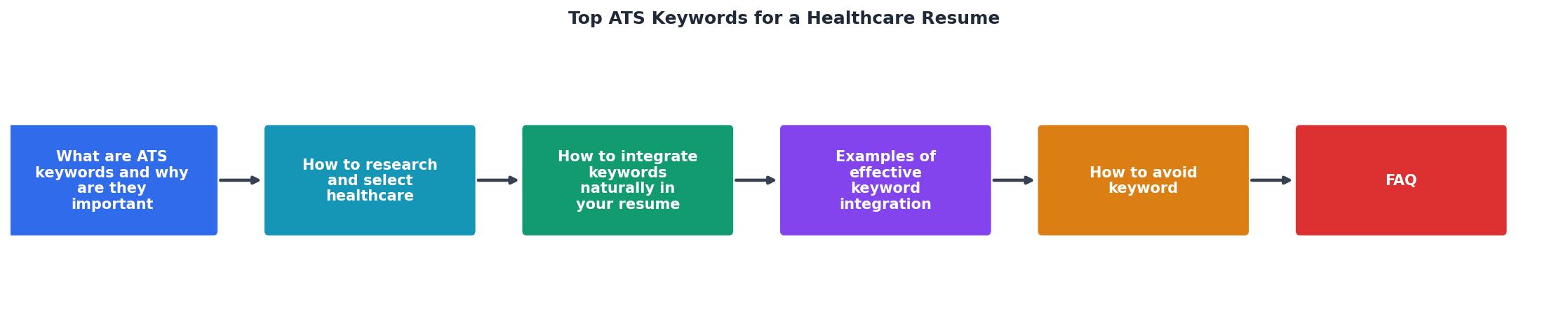
Examples of Effective Keyword Integration
Consider these examples for different healthcare roles:
- Nurse: "Provided patient care and conducted assessments in a fast-paced hospital environment. Collaborated with interdisciplinary teams to develop and implement patient care plans, ensuring adherence to clinical guidelines."
- Medical Assistant: "Assisted with medical billing and coding, ensuring accuracy and compliance with healthcare standards. Supported physicians in patient examinations and maintained meticulous patient records."
- Pharmacist: "Managed pharmaceutical inventory and provided medication counseling to patients. Conducted drug utilization reviews and ensured compliance with all regulatory standards."
"Here's what most people don't understand about ATS systems: They're not smart."
— Resume Keywords for ATS and Recruiters, Resume Keywords for ATS and Recruiters
How to Avoid Keyword-Stuffing Mistakes
While it's important to include keywords, stuffing your resume with them can backfire. Here are some pitfalls to avoid:
- Repetition: Don't repeat the same keyword excessively. It should appear naturally and in context with your experiences and achievements.
- Irrelevance: Only include keywords that genuinely reflect your skills and experience. Misleading information can lead to issues down the line, especially if you are asked to elaborate during an interview.
- Overloading: A keyword-laden resume can be hard to read and may appear inauthentic. Prioritize quality over quantity and focus on the most relevant terms.
Healthcare Resume ATS Keyword Checklist
Your progress is saved automatically in your browser.
FAQ
Frequently Asked Questions
Incorporating the right ATS keywords can transform your healthcare resume from overlooked to noticed. Have you implemented any of these strategies in your resume? Share your experiences in the comments below.
Additional Resources
- Resume Keywords for ATS and Recruiters - Resume keywords for ATS and recruiters are specific words and phrases used in resumes that help applicant tracking systems (ATS) and recruiters find ...
- How to Write a Healthcare Resume That Stands Out in 2026 - Tip 1: Keep Formatting Simple and ATS-Friendly · Tip 2: Use Clear Job Titles, Licenses, and Certifications · Tip 3: Add Keywords That Match the ...
- Top Resume Keywords to Pass ATS (350+ Examples) - Healthcare. Patient care; Electronic medical records; Healthcare administration; Medical billing and coding; Health informatics; Quality ...
Get the 356 complete recruitment audit (free PDF)
Download the free PDF with 356 reasons hiring stalls, plus optional daily email tips. No credit card.
Get the free PDF 356 reasons · Free download