Highlighting Transferable Skills from Military to Civilian Roles
Transitioning from the military to civilian employment can be a daunting task. The skills acquired during military service are often not immediately recognized in civilian job markets. However, these skills are highly valuable and can be effectively translated to meet civilian job requirements. By identifying core competencies gained during military service and mapping them to civilian job descriptions, veterans can create resumes that stand out and lead to successful civilian careers.

Transitioning from the military to civilian employment can be a daunting task. The skills acquired during military service are often not immediately recognized in civilian job markets. However, these skills are highly valuable and can be effectively translated to meet civilian job requirements. By identifying core competencies gained during military service and mapping them to civilian job descriptions, veterans can create resumes that stand out and lead to successful civilian careers.
Photo by RDNE Stock project from Pexels
TL;DR:
Military veterans can effectively transition to civilian roles by translating their military skills into civilian job language. This involves identifying key skills, using civilian-friendly terminology, and tailoring resumes to match job descriptions.
Military veterans possess a wealth of skills and experiences that are often unmatched in civilian sectors. These range from leadership and teamwork to problem-solving and technical expertise. Understanding how to communicate these skills in a way that resonates with civilian employers is crucial. This article will guide you through identifying and highlighting transferable skills, mapping them to civilian job requirements, and crafting a compelling resume that opens doors to new career opportunities.
What are transferable skills in the military?
Transferable skills are those abilities and experiences gained in one context that can be applied to another. In the military, transferable skills include leadership, communication, discipline, problem-solving, and technical proficiency. These skills are not only valuable but often critical in civilian roles.
Common military skills and their civilian equivalents
- Leadership: Commanding a team → Project management, team leadership
- Communication: Briefing superiors and subordinates → Client communication, presentation skills
- Discipline: Adhering to strict protocols → Meeting deadlines, attention to detail
- Problem-solving: Tactical strategy development → Business strategy, analytical skills
- Technical skills: Operating military equipment → IT skills, technical troubleshooting
How to map military skills to civilian job requirements?
Mapping military skills to civilian job descriptions requires a strategic approach. Start by analyzing job postings in your desired field to identify key skills and requirements. Then, align these with your military experiences.
"The ONET database contains hundreds of standardized and occupation-specific descriptors on almost 1,000 occupations.">, Translate your military skills to a civilian career*
Techniques for matching skills with job descriptions
- Translate terminology: Convert military jargon into civilian terminology. For example, "squad leader" can be translated to "team leader."
- Highlight achievements: Use specific examples to demonstrate how you've successfully applied your skills.
- Focus on results: Emphasize the outcomes of your actions, such as improvements or efficiencies gained.
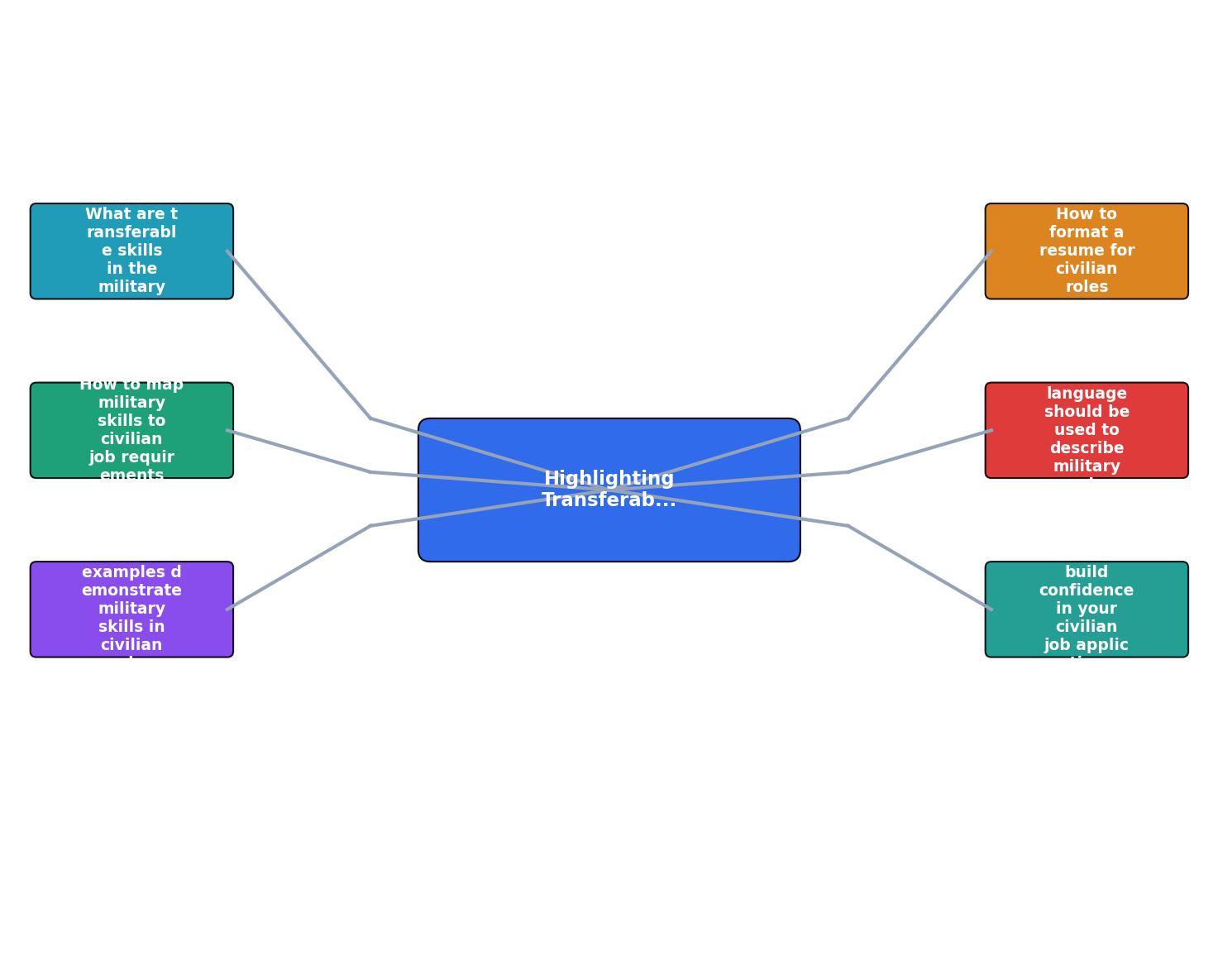
What examples demonstrate military skills in civilian roles?
Consider the following scenarios to understand how military skills translate to civilian roles:
- Logistics Officer: Managed supply chains and resources in the military → Transition to a logistics manager or operations coordinator in a corporation.
- Intelligence Analyst: Analyzed data to support military operations → Fit for roles in data analysis or cybersecurity in the tech industry.
- Combat Medic: Provided emergency medical care → Transition to roles in healthcare, such as a paramedic or a nurse.
How to format a resume for civilian roles?
Crafting a resume for civilian roles involves more than just translating skills. It requires structuring your resume for clarity and relevance to the job you are applying for.

Structuring resumes for clarity and relevance
- Use a clean format: Ensure your resume is easy to read with clear headings and bullet points.
- Tailor each application: Customize your resume to match the specific job description, highlighting relevant skills and experiences.
- Focus on achievements: Include quantifiable results to demonstrate the impact of your work.
What language should be used to describe military experience?
Using civilian-friendly terminology is essential when describing military experience. Avoid acronyms and jargon that might be unfamiliar to civilian employers.
Tips on civilian-friendly terminology
- Avoid military acronyms: Spell out terms or find civilian equivalents.
- Use action verbs: Start bullet points with strong verbs like "led," "managed," "developed."
- Be concise: Keep descriptions clear and to the point.
How to build confidence in your civilian job applications?
Building confidence in your civilian job applications starts with preparation and mindset. Understand that your military experience is valuable and can be an asset in civilian roles.

Mindset and preparation strategies
- Research industries: Learn about the industries you are interested in to better understand their needs and language.
- Network: Connect with other veterans who have successfully transitioned to civilian roles.
- Practice interviews: Prepare for interviews by practicing how to articulate your skills and experiences in civilian terms.
Key takeaway: Translating military skills to civilian contexts is about understanding the value of your experience and effectively communicating it to potential employers.
Checklist for Translating Military Skills to Civilian Roles
Your progress is saved automatically in your browser.
FAQ
Frequently Asked Questions
Are there any other strategies that have worked for you in highlighting your military skills for civilian roles? Share your experiences in the comments below!
Additional Resources
- Translate your military skills to a civilian career - VA Careers - For instance, leadership experience, collaborating on a team, and problem solving are all valuable skills you built during your military career.
- Military Skills Translate to Civilian Careers - Learn how skills gained through military service translate to civilian careers, and how to position your experience for your next role.
- Identifying Your Transferable Skills - Transferable skills might include communication, research or planning, organization, management and leadership. They are usually separated into two categories: ...

Get the 356 complete recruitment audit (free PDF)
Download the free PDF with 356 reasons hiring stalls, plus optional daily email tips. No credit card.
Get the free PDF 356 reasons · Free download